



Autoimmune thyroiditis is a disease characterized by being caused by a dysfunction in the immune system and its progressive nature. Part of preventing or delaying this disease is maintaining the thyroid gland´s function. Supplements can help optimize the function of this endocrine gland. Some of the supplements which aid individuals in risk of developing autoimmune thyroiditis or already have autoimmune thyroiditis, are vitamins B, D, and supplements that maintain a healthy gastrointestinal flora. Supplementation should always be supervised by a health professional, either a dietician or a physician
Vitamin B complex
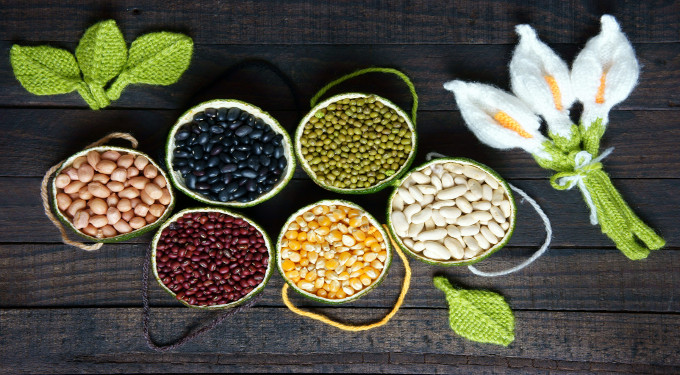
Supplementing your diet with vitamin B complex provides numerous benefits to your health. Vitamin B complex is a group of organic substances which are essential for many processes within your body; and these processes range from breaking down sugars to modifying genetic material. Vitamin B complex also can be identified by the numbering system or their names. The general benefits of maintaining optimal levels include: improving fatigue, reducing oxidative stress (by promoting antioxidant activity in the body), and many others. Through these benefits, vitamin B complex proves essential to slow down damage to the thyroid gland.
Deficiencies in vitamin B12 or cobalamin has been associated with signs and symptoms in autoimmune thyroiditis. Additionally, if patients have inadequate levels of vitamin B12, they will not respond to medical treatment. Therefore, vitamin b12 is fundamental in maintaining optimal thyroid health.
Your diet can be supplemented by either acquiring vitamin B complex supplements from a health store or naturally through certain foods. Foods that contain natural vitamin B include, meat, legumes, whole grains and potatoes. Vitamin B12 is not available in plant products therefore, the vegetarians and vegans must consume vitamin B supplements.
Vitamin D
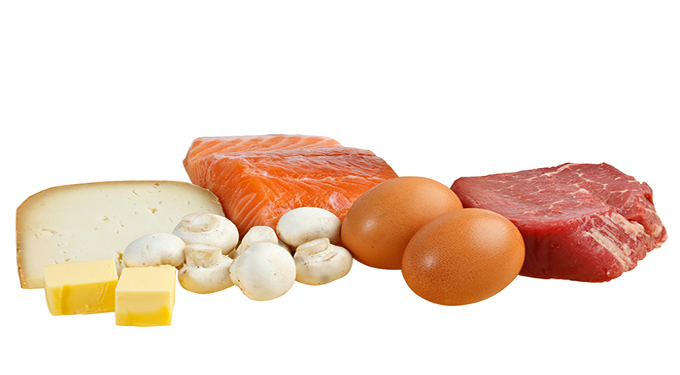
Another fundamental vitamin supplement for individuals at risk or diagnosed with autoimmune thyroiditis is vitamin D. Many studies have shown that vitamin D is frequently lower in patients with autoimmune thyroiditis. It is believed that vitamin D helps regulate immunological function by regulating certain cells of the immune system. The function of vitamin D in helping with thyroid function has not been clearly identified; but what is clearly known is that many risk factors associated with autoimmune thyroiditis, are also associated with vitamin D deficiency. Among these risk factors are high-stress levels, obesity, and inflammation. Additionally, vitamin D deficiencies have also been associated with other autoimmune diseases.
Increasing your vitamin D levels can be quite simple as having greater exposure to sunlight and supplementation. Some molecules in your skin can convert into active vitamin D after exposure to sunlight. However, it is important for your skin´s health to avoid excessive sun exposure, and to use sunscreen. Foods with high levels of vitamin D content are: mushrooms, fish oil, egg yolk, and beef liver.
Probiotics

A healthy bacterial flora is essential to preventing or delaying autoimmune process in the body. It helps by regulating immunological activity and preventing colonization of pathogenic microorganism. Because of the observed benefits, many supplements have been developed to promote a healthy bacterial flora, among these are probiotics, prebiotics and symbiotic.
In general, people know probiotics exist, however many do not know what they are. Probiotics are good bacteria that are either the same as or very similar to the bacteria that are already in our bodies. Probiotics are not the same organism which causes diseases, and can change the species diversity and the physical-chemical environment in the gastrointestinal tract. Probiotics can be incorporating with certain foods or supplements. The foods that contain probiotics include yogurt, cheese, kefir (a special type of fermented dairy product), legumes, cereals and vegetables.
Prebiotics

Prebiotics, in contrast to probiotics, are indigestible fermented food substrate which promotes bacterial flora growth. Among these substrates are inulin, oligosaccharides, lactulose, and many others. Most of the currently identified prebiotics are carbohydrates but some peptides and fats are being studied as possible prebiotics. Typical sources of prebiotics are soybeans, unrefined barley, unrefined wheat, and raw oats.
Symbiotic
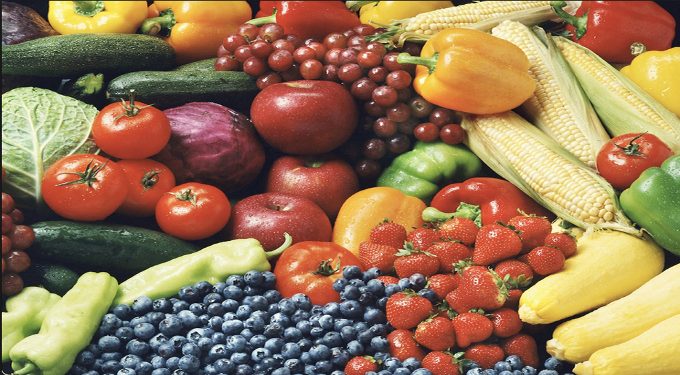
Symbiotic are supplements that contain both prebiotics and probiotics. Certain combinations of microorganism and biomolecules provide benefits because both supplements increase the success rate of each supplement separately. This means that certain combinations are better than the sum of individual benefits of probiotics and prebiotics.

Many years have passed since Hippocrates said “Let food be thy medicine and let medicine be thy food”, but the usefulness of this quote remains. To inflammatory and autoimmune diseases like autoimmune thyroiditis, B vitamins, vitamin D, prebiotics, probiotics and symbiotics can provide great benefits. These benefits will reflect in your general health and preserve thyroid function, as well as, allowing one to enjoy life.
Please comment and subscribe. Icons were made by Dimi Kazak, Madebyoliver, and Vectors Market from www.flaticon.com which is licensed by CC 3.0 BY.
Melissa

Eric
